
March Winds: Is It Windier Than Usual?
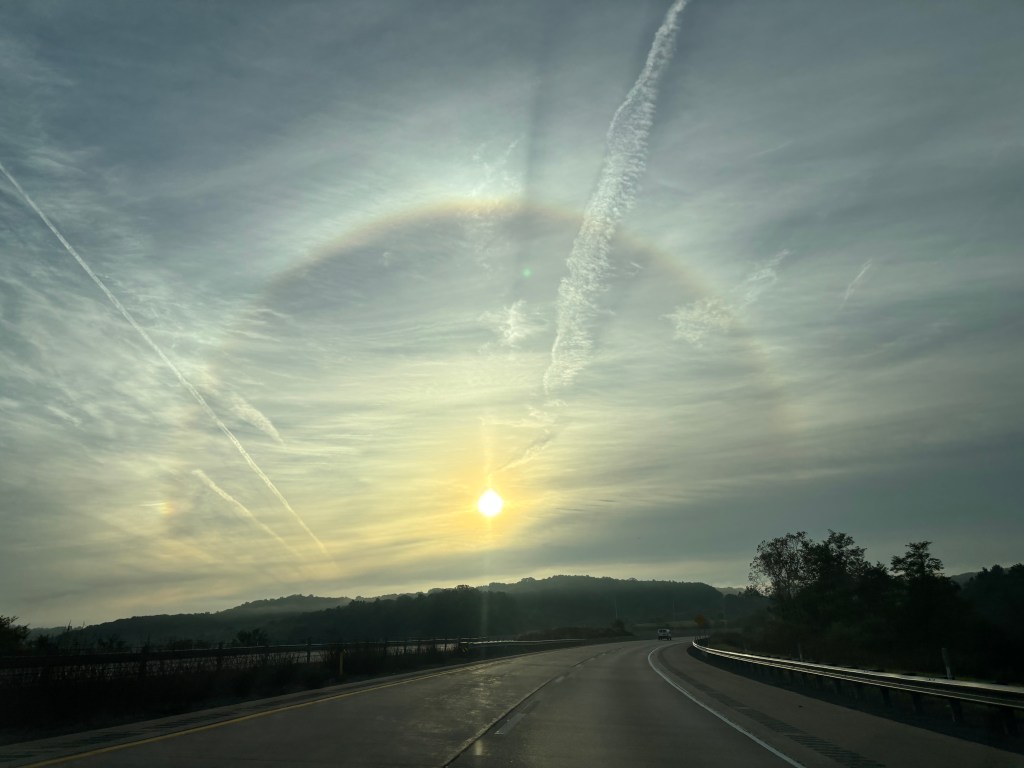
March, being Pennsylvania’s windiest month, often shows average wind speeds around 8.0 mph in State College and 9.7 mph in Altoona. The wind results from Earth’s uneven heating, creating pressure differences. March’s transition from winter to spring increases these contrasts and winds. Despite its annoyance, wind signals the approach of spring.

Everyone’s Favorite Irrational Number, Pi
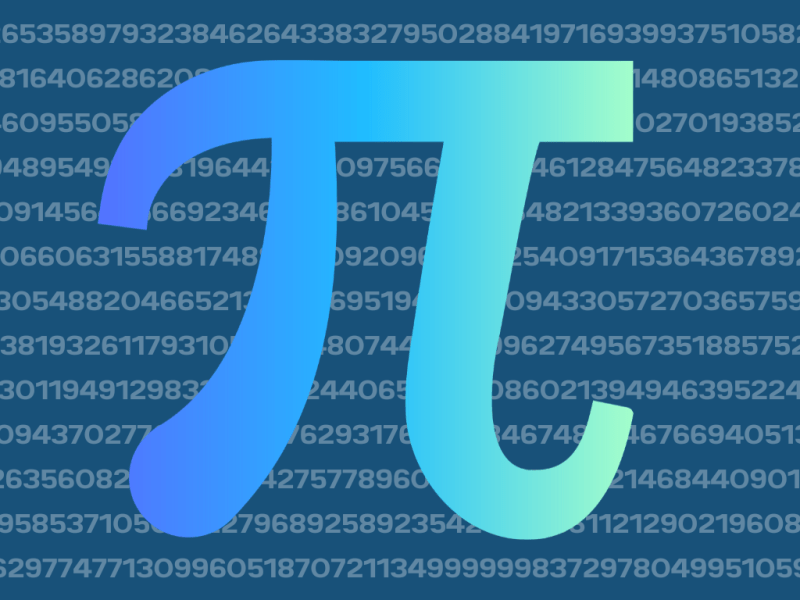
March 14, known as Pi Day, celebrates the mathematical constant pi (π), representing the ratio of a circle’s circumference to its diameter. The day commemorates pi’s significance in math and science, influenced by physicist Larry Shaw in 1988. Pi is irrational and calculated to trillions of digits, used in weather forecasting as well.
What Are the Northern Lights and Why Are We Seeing Them More Often?
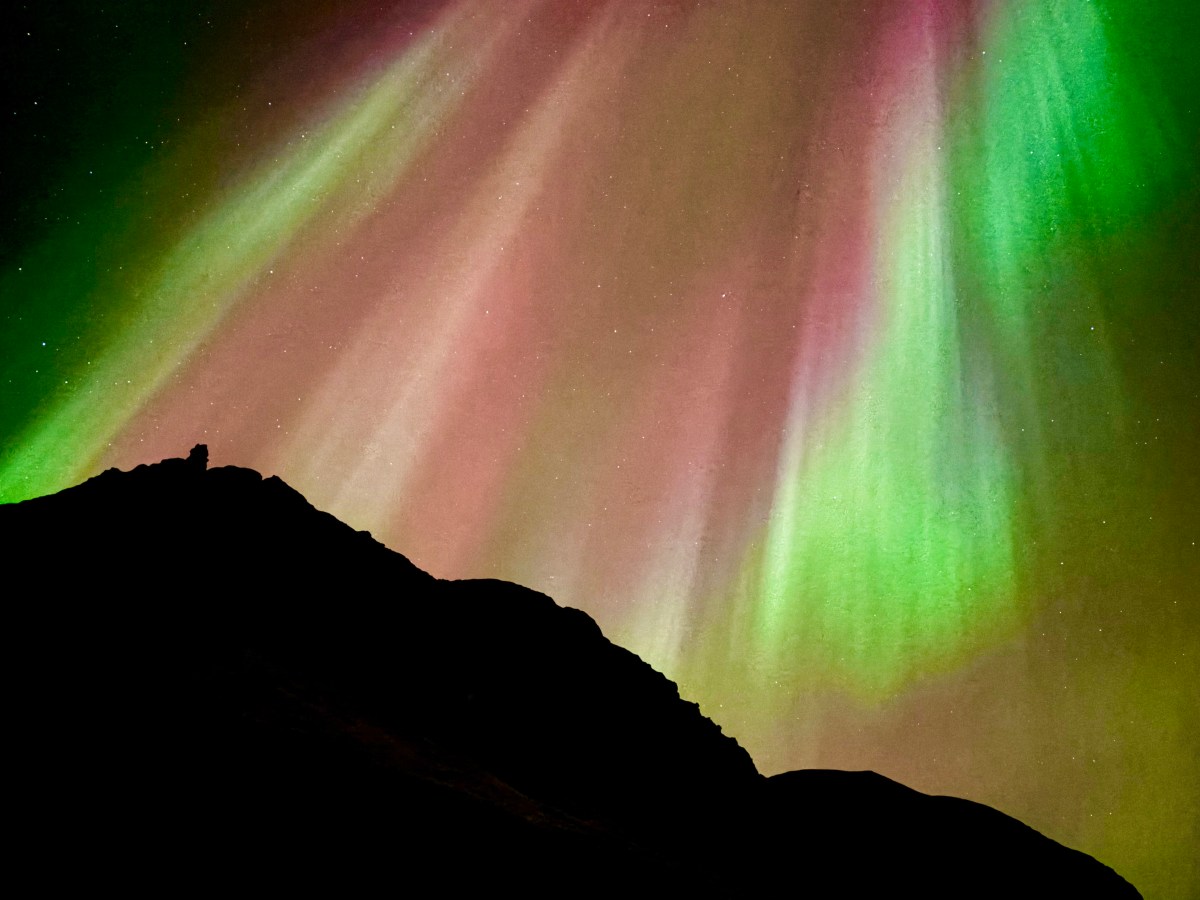
The northern lights have become increasingly popular and visible, particularly in places like Pennsylvania. Their vibrant display is caused by solar particles colliding with atmospheric gases. This increased visibility is due to the solar cycle, improved camera technology, and advancements in space weather forecasting. Various colors result from different gas interactions, creating a stunning spectacle.
Total Lunar Eclipse March 2026: When & How to See the Blood Moon
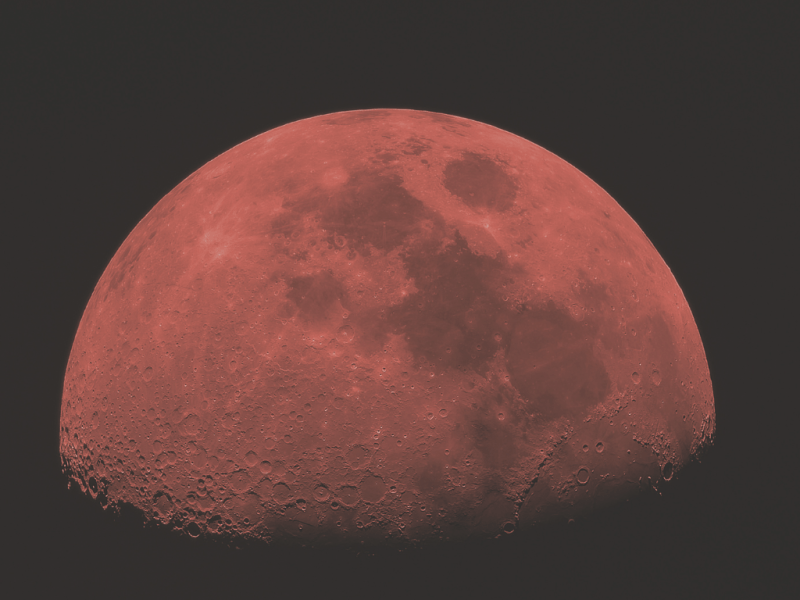
Total Lunar Eclipse Quick Facts A total lunar eclipse will be visible across the United States early Tuesday morning (March 3).The eclipse will take place from 3:44 am EST until 9:23 am EST. Totality will begin around 6:04 am EST and last until about 7:03 am EST. According to NASA, we will not have another one until…

Why Leaves Change Color & Peak Fall Foliage in Pennsylvania
Fall foliage occurs due to the reduction of chlorophyll, revealing other pigments in trees, such as carotenoids and anthocyanins. Weather significantly affects color vibrancy, with optimal viewing conditions being warm, sunny days and cool nights. Peak foliage varies by region, typically occurring between early and late October in Pennsylvania.
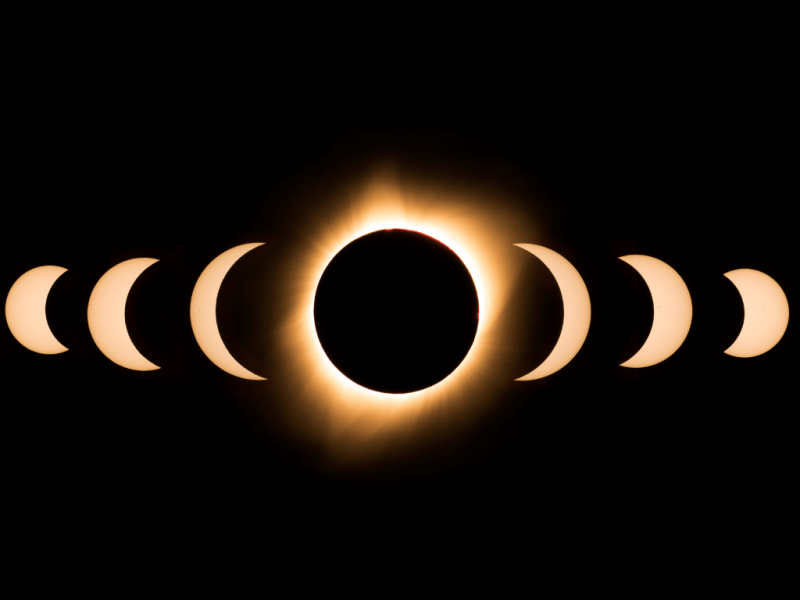
Total Solar Eclipse
On April 8, 2024, a total solar eclipse was visible across North America, with Erie, PA experiencing totality. A solar eclipse occurs when the moon blocks the sun, creating a day-time darkness. The next total solar eclipse will be on August 12, 2026, but will not be viewable in the U.S. until 2044.
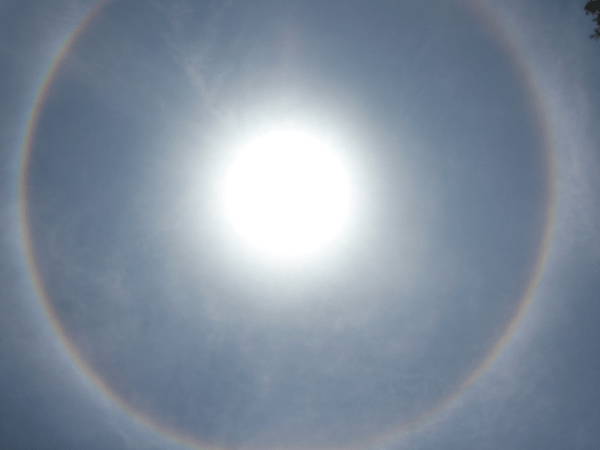
Ring around the sun or moon… what is that?
Halos around the sun or moon, known as 22-degree halos, occur due to the refraction of light through hexagonal ice crystals in high-altitude cirrus clouds. This beautiful optical phenomenon can signal incoming precipitation, as cirrus clouds often precede warm fronts. The science of light and its interactions creates these stunning visual displays.
 Wx Shield